
How to Know When It’s Time to Upgrade Your Hearing Aids
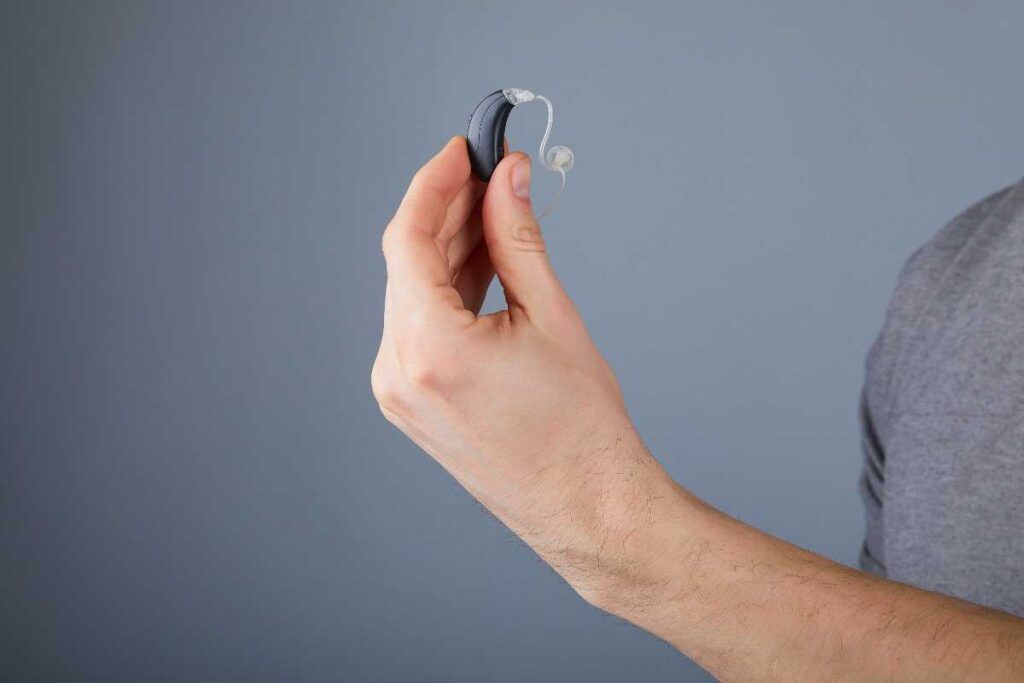
If you’ve been wearing hearing aids for any length of time, then you know that these small devices can have an incredible impact on your overall quality of life. But, as with other technology devices, hearing aids eventually need to be replaced to accommodate your changing needs and ensure optimal performance.
Unlike cell phones or other devices that eventually reach obsolescence, hearing aids might seem like they are fine even when their performance is declining. For example, your hearing aids might still be working…they can turn on and help with hearing amplification, but just because they are still working doesn’t necessarily mean that they are working for you.
The truth is that several factors can change, which will result in the need to upgrade your hearing aids. Not only do you need to evaluate the performance of the device, but it’s just as important to check your current hearing needs and which type of hearing support will best suit your current lifestyle.
How Long Do Hearing Aids Typically Last?
As a general rule of thumb, most hearing aids have a lifespan of 3-7 years, depending on the type of hearing aid that you are using. At the end of this lifespan, the hearing aid’s performance is likely negatively affected because of cumulative wear.
For example, you might not have a hearing aid that suddenly stops working. But the performance is less than optimal due to:
- Internal components are degrading
- Damage from exposure to earwax and moisture
- The battery contacts start wearing down
- Microphones lose their sensitivity
Here are some of the warning signs that your hearing aids might need to be replaced:
- You are constantly turning up the volume
- Batteries need to be replaced more often
- Inconsistencies in the sound output on a day-to-day basis
The best way to determine the effectiveness of your current hearing aids is by scheduling a consultation with our team at Fairfax Hearing. Not only will we check your devices, but we can also perform a hearing test to see if your individual needs have changed.
Taking Advantage of Hearing Aid Technology Upgrades
One of the reasons why it might make sense to replace your hearing aids is the many advancements in technology that have been made in the industry. Here are some of the benefits and features that you might be able to take advantage of when you upgrade your hearing aids:
- Directional Microphones: Newer technology makes it possible for the microphones to isolate speech and minimize interference from background noises.
- AI Sound Processing: AI features can be integrated into hearing aids, helping with real-time adjustments as environmental conditions change. For example, the sound processing is automated and different if you are in a busy restaurant vs. a quiet living room at home.
- Rechargeable Batteries: Gone are the days of endless battery purchases. If you are still changing batteries for your older hearing aids, then consider upgrading to a rechargeable design instead.
- Bluetooth Streaming: Hearing aids with Bluetooth capabilities allow you to stream from phones and TVs directly, offering better sound quality as you are participating in conversations or enjoying your favorite shows.
Ultimately, the newer features can help to solve different problems that were more difficult to navigate with older technology. But each patient has unique needs, which is why there isn’t a one-size-fits-all solution for every person. If your hearing needs are simple, then you might be fine to continue using an older device.
The best thing that you can do is consult with our experienced team to discuss your goals and lifestyle, and we will help you determine if your current hearing aids are still suitable.
What Has Changed: Your Hearing Aids or Further Hearing Loss?
One important factor that needs to be distinguished is the exact cause of your change in hearing. In some cases, it could be a degradation in the hearing aid technology because of normal wear and tear. Or, it’s possible that your hearing aids might not seem as effective because you have experienced further hearing loss since your most recent hearing aid fitting.
When your hearing aids are fitted, they are programmed using a specific audiogram to address your unique needs. Slight hearing changes can be accommodated by refitting the hearing aids as needed. But when a person’s hearing continues to decline, sometimes it’s necessary to change out the hearing aids to accommodate the new hearing capabilities.
If you have noticed that your hearing has changed, then it’s time to schedule a hearing test. Our team will evaluate both your hearing and your hearing aids to ensure that everything is calibrated based on your current needs.
Why New Hearing Aids Are Often Worth the Investment
Are you on the fence about replacing your hearing aids? If you have questions, then the best thing that you can do is consult with our experienced team for customized recommendations. Every person is unique, which is why we never offer cookie-cutter solutions for hearing aids and treatments.
The benefits of quality, well-fitted hearing aids are undeniable. If you decide to upgrade your hearing aids, these are some of the benefits that you can expect:
- Improved speech quality, especially in noisy environments.
- Smaller designs that are more discreet while you are wearing the hearing aids.
- Rechargeable batteries, which eliminate out-of-pocket costs for disposable batteries.
- Smartphone app control and integration.
- Extra health features, such as fall detection.
Frequently Asked Questions
How often do hearing aids need to be replaced?
Most hearing aids last for 3 to 7 years before the performance starts to decline. But the replacement time varies depending on your lifestyle and changes in your hearing since the last fitting.
Does insurance or Medicare pay for the cost of new hearing aids?
Available coverage varies. Even though traditional Medicare doesn’t usually cover hearing aids, there are Medicare Advantage Plans and private insurance policies that offer this coverage. Talk to our office, and we will help you evaluate your coverage benefits.
Can I reprogram my current hearing aids instead of buying new ones?
Sometimes it makes sense to reprogram your hearing aids, and we might recommend this option if your hearing has changed since your last test. But if the hearing aid is outdated or the hardware is having problems, then it might be time to invest in new hearing aids.
Is It Time to Upgrade Your Hearing Aids?
If you want to be sure that your hearing support is ideal for your lifestyle, then our team is here to help. A hearing evaluation is the best way to see where you stand, so that we can determine whether it’s time for you to upgrade to new hearing aids.
Our experienced audiologists have served the Northern Virginia community for nearly 25 years with personalized, pressure-free hearing care.
Call our office at 202-953-1579 or request an appointment online with one of our staff members and take the first step toward better hearing, and a better quality of life.
