
Hyperacusis in Fairfax County: How to Deal With Sensitivity to Sound
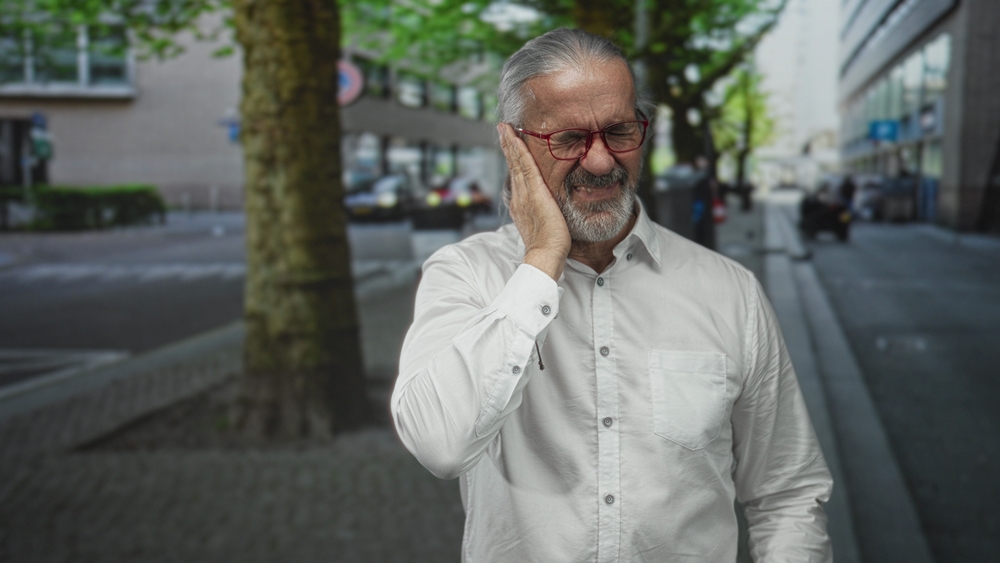
Do everyday noises, like a conversation, clanking dishes, or a running faucet, feel painfully loud? If so, you may have a condition called hyperacusis.
It causes sound sensitivity and can make everyday life feel (and sound!) extremely overwhelming. Finding a specialist who tests for and treats hyperacusis in Fairfax County, VA, can make a huge difference in your quality of life.
Here’s what you need to know about this condition, how it’s diagnosed, and how to best cope with it.
What is Hyperacusis in Fairfax County, VA?
Hyperacusis is a condition that makes everyday sounds uncomfortable or even painfully loud. It causes a decreased tolerance for sound that can cause discomfort, anxiety, and even physical pain.
It also affects how the brain processes sound.
Hyperacusis in Fairfax County, VA, can develop on its own or alongside other issues, such as hearing loss, tinnitus, or migraines. For some people the problem comes on gradually but for others it comes on suddenly after exposure to a loud noise or stressful event.
How Is It Diagnosed?
If you suspect you have this condition, the first step is to consult with a hearing specialist, such as an audiologist or an ENT.
Diagnosis usually involves a combination of:
- Hearing tests
- Loudness discomfort levels testing
- A medical history review
- Questionnaires for more detailed information
The goal isn’t to just confirm you have hyperacusis, it’s to understand the underlying cause so that treatment can be tailored to your specific needs.
Practical Coping Strategies
Managing hyperacusis in Fairfax County, VA, isn’t about eliminating sound completely. Instead, it involves retraining your brain and finding ways to create a healthier relationship with noise.
Some top strategies to get your ears and your brain back on track include:
- Start with sound control, not silence. Though it may be easy to wear earplugs all the time, using them too often can actually make sensitivity worse. The best option is to use them strategically, such as in very loud environments.
- Focus on creating a comfortable sound environment. Soft background noise, such as gentle music or white noise machines, can help your brain adapt and reduce the shock of sudden sounds you may encounter.
- Give your ears a break. Take breaks, especially if you feel overwhelmed. Even a few minutes in a quiet space can give you a much needed reset.
Treatment Options That Can Help
There’s no one-size-fits-all treatment for hyperacusis. There are several treatments that are effective in improving symptoms over time.
One of the go-to options is sound therapy. It involves gradually exposing your ears to low-level sounds to rebuild noise tolerance. Over time your brain learns that everyday noises aren’t a threat.
Another option is cognitive behavioral therapy (CBT), which helps with the anxiety that sound often causes with hyperacusis. CBT reframes negative thought patterns to reduce the emotional response to noise.
Tinnitus retraining therapy has also shown to be helpful, even if you don’t have tinnitus. It combines sound therapy with counseling to help teach the brain to tune out sensitivity triggers.
Outside of a clinical sitting, there are also lifestyle changes you can make. This includes:
- Improving sleep
- Managing stress
- Avoiding overly loud environments and sudden loud noises
Most people get the best results when they combine several treatment options. Meet with a hearing specialist to determine which options will be most effective.
We Offer Effective Treatment for Hyperacusis in Fairfax County
Hyperacusis can be very frustrating, especially if it’s interfering with your everyday life. But, with the right combination of professional care, sound exposure, and practical coping strategies, you can regain a sense of normalcy.
For treatment you can trust, come to Fairfax Hearing Center.
Call our office at 703-343-9732 or request an appointment online with one of our experienced audiologists.
