
Smart Home Integration: How to Connect Your Hearing Aids to Your Devices
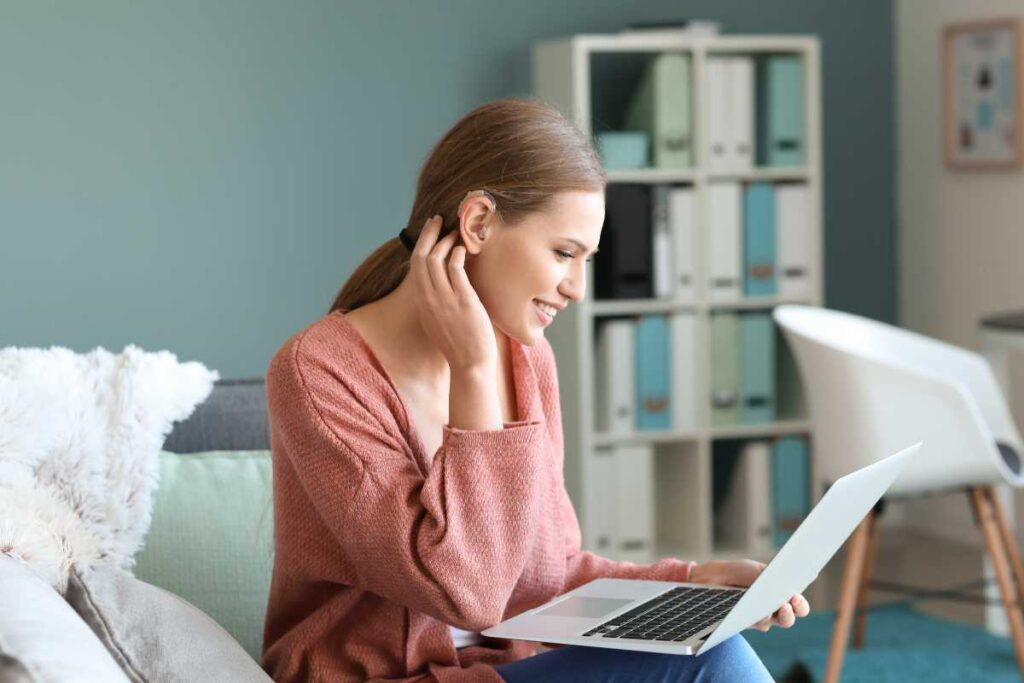
As technology continues to improve, patients with hearing loss are finding it easier than ever to stay connected with smart devices. In fact, smart home technology has transformed the way we are living, and the possibilities offer many convenient solutions for people who are wearing hearing aids.
Today, modern hearing aids can be connected to smartphones, TVs, smart speakers, and home automation systems. As a result, the control and clarity are improved, allowing you to enjoy many features that weren’t available years ago.
Whether you are wearing hearing aids for the first time or upgrading your hearing aids, it’s a great opportunity to talk to our audiology team about how you can maximize connectivity and leverage the device features that can optimize your life.
How Modern Hearing Aids Connect: The Technology Behind It
The most common way that hearing aids connect is through Bluetooth Low Energy (BLE), which allows the hearing aid to communicate with devices. This technology is a version of the standard Bluetooth design that helps to save power and protect the hearing aid’s battery life.
Other hearing aid brands use a method that routes audio through an intermediate streaming device. Or, the newest models can connect them directly to the devices. Here are some of the terms that you might see when looking at hearing aid connectivity options:
- Bluetooth Low Energy (BLE)
- Made for iPhone (MFi), which is Apple’s certification for direct connectivity.
- Android Audio Streaming for Hearing Aids (ASHA), which is the protocol used for Google devices.
- 2.4 GHz streaming, used by some manufacturers for TV and accessory connections.
Connecting Your Hearing Aids to Your Smartphone
One of the most common hearing aid pairings is with your smartphone. It’s no surprise that smartphones are integrated into many activities throughout the day, which is why it’s beneficial to connect the hearing aids to the phone. Once you are connected, you are able to:
- Audio Streaming: You can listen to music, podcasts, and navigation audio through your hearing aids.
- Phone Calls: Stream the audio from phone calls to your hearing aids directly.
- Setting Adjustments: Depending on the activity, you can adjust the hearing aid settings to optimize your experience. For example, settings can be adjusted when you are listening to programs or talking with other people.
- Location-Based Presets: Fine tune the hearing aid settings so that you have location-based presets based on the environments that you are visiting often, such as your home and workplace.
- Battery Life: Cell phone connectivity allows you to monitor your hearing aid’s battery life in real time through the app.
The actual connections that are available depend on the type of hearing aids that you are using. For example, some of the older hearing aid models might be able to connect through Bluetooth, but they don’t have built-in features for location-based presets. Talk to our team about your needs and preferences when choosing hearing aids so that you can find the ideal technology for your lifestyle.
A Closer Look at Companion Apps
One option for modern hearing aids is that you can use companion apps to pair with different devices. Most major manufacturers offer these free apps for pairing, which gives you a level of personalization that wasn’t available even a decade ago.
Some of the ways that you might use companion apps include:
- Remote Adjustments: If you need to adjust the hearing aid settings, then a companion app might allow your audiologist to push the updated settings to your hearing aids. So, you can make a change to your settings without the need for an in-office visit.
- Health and Activity Tracking: There are apps that can integrate in ways that allow you to track health and activity. For example, Starkey offers wellness features that track steps and detect falls.
- Personalization: Over time, these apps can learn your preferences and provide automatic adjustments based on your location and/or listening history. So, the more you use the apps, the better your experience.
Connecting Hearing Aids to Your TV
Most television manufacturers provide a dedicated streamer accessory that is built into the TV. This streamer sends the sound directly to the hearing aids in real time. Another option is to use newer smart TVs that support Bluetooth audio output directly if you want to avoid the need to use another accessory.
Connecting to Smart Home Systems
There are many ways that your hearing aids can be connected to smart home devices that you are using throughout the day. Here are some of the integration options that you might consider, depending on your unique needs:
- Smart Speakers: The most common brands include Alexa and Google Home. These products have integrations that allow you to control hearing aid settings through voice-activated control.
- Doorbell and Alert Systems: When someone rings the smart doorbell to notify you that they are at the door, the notifications can be pushed through to your hearing aids. This is a great solution for patients who might not have heard the doorbell otherwise.
- Telecoil (T-Coil) Compatibility: A built-in telecoil can be used that allows the hearing aids to pick up induction loop signals, which are often used in both home systems and public spaces.
Troubleshooting Common Connectivity Issues
While hearing aid connectivity can be a great feature to use, it can be frustrating if you are having problems with connectivity. So, you might need to do a bit of troubleshooting if the connection isn’t working correctly.
If you are having pairing problems, then sometimes the solution is as simple as restarting the device to try to pair again. When the audio is dropping or spotty, then it could be the result of wireless interference or distance…move closer to the device to see if the audio improves.
Some patients also notice a faster battery drain since streaming increases power consumption. We recommend rechargeable hearing aids if you are streaming often.
If you are still having issues and need help with troubleshooting, then you are always welcome to contact our team for professional support. We’re here to help!
Hearing Aid Solutions That Fit Your Lifestyle
The way your hearing aids connect to the devices that you are using on a daily basis can make a big difference in your overall experience. You will have better communication on phone calls when you can hear every word, and enjoy your favorite TV show without straining to hear the characters. Ultimately, the goal is to reduce listening fatigue and help you maintain greater independence.
When you need personalized support for your hearing aids, reach out to our team at Fairfax Hearing. Call our office at 703-343-9732 or request an appointment online with one of our experienced audiologists.
