
Hearing Aid Myths Debunked: The Truth About Modern Hearing Amplification
Millions of Americans are living with untreated hearing loss, which has an undeniable impact on every area of their life. In fact, it’s estimated that many people wait for 7-10 years after noticing symptoms of hearing loss before they actually get help.
One of the biggest barriers to treatment is the fear and misconceptions about hearing aids. But the truth is that many of these misconceptions are decades old…and modern technology has made hearing treatments even better than ever.
Today’s hearing devices are dramatically different compared to the hearing aids of the past. In this article, we are breaking down some of these outdated myths, helping to change the conversation on this topic.
Myth 1: Hearing Aids Make You Look Old
One of the most emotionally charged concerns that people have about wearing hearing aids is the worry that these devices will make them look older. Hearing aids in the past were bulky and very noticeable, making patients feel a bit self-conscious while wearing them.
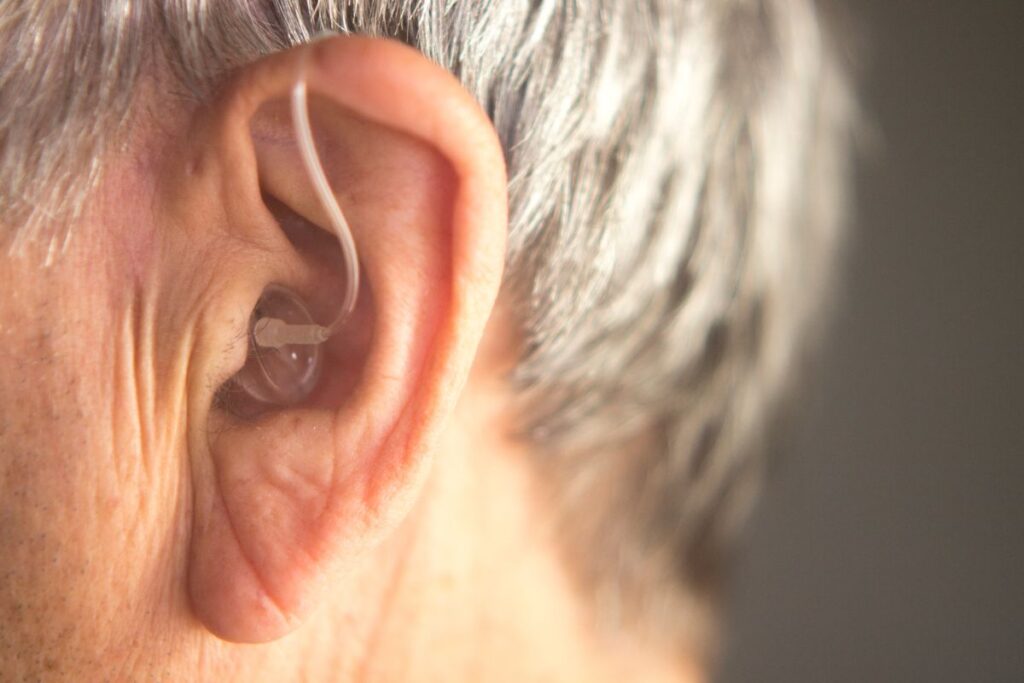
The good news is that modern hearing aids are much smaller and more discreet. Some of the styles, such as the completely-in-canal (CIC) options, are nearly invisible when worn. Or, you might use a receiver-in-canal (RIC) style that sits behind the ear, with a wire connecting into the ear piece that is thin and barely noticeable. You can choose from different styles, colors, and finishes to select a sleek and comfortable design.
Think about it this way: wearing a barely-there hearing aid is much more discreet than cupping your ear or constantly asking people to repeat themselves.
Myth 2: Hearing Aids Are Only for Severe Hearing Loss
People often think of hearing aids as a last resort…a treatment that is only needed when you are nearly deaf. But the truth is that hearing aids can be beneficial for all levels of hearing loss, including mild, moderate, severe, and profound.
Mild hearing loss affects your life in more ways than you realize. It impacts your ability to communicate, can take a toll on relationships, and even degrades mental sharpness over time. In fact, researchers have found that untreated hearing loss can increase the risk of other health concerns, such as cognitive decline, dementia, depression, and social isolation.
We always recommend early detection and early intervention. This approach makes it easier for patients to adjust to their new lifestyle. Not only does your quality of life improve, but we’ve seen many people experience better speech recognition outcomes.
Don’t wait until your hearing loss is “bad enough.” At this point, treatment might be more difficult than if you had come in earlier.
Myth 3: Hearing Aids Just Make Everything Louder
Old technology was limited, so most hearing aids were simply amplifiers to make everything louder. But this approach is far outdated, especially with the advancements in technology that we’ve seen in the last two decades.
Today’s hearing aids use advanced digital signal processing, which means that the device can be selective with the amplification. Instead of amplifying all sounds, the hearing aids prioritize speech frequencies while reducing background noise at the same time.
Some of the best hearing aids even have automatic features that adjust in different listening environments. So you can expect high-quality hearing in all settings: loud restaurants, quiet rooms, outdoor venues, and more. No manual input is needed to change the settings for each part of your day.
If you choose a premium hearing aid, then some of these models can even detect the direction of the sound so that your hearing is focused on the person right in front of you. Ultimately, the advancements in hearing aid technology are helping to create more natural and comfortable sound quality (not just making everything louder).
Myth 4: Hearing Aids Are Too Complicated to Use
One of the challenges of using older hearing aids is that frequent manual adjustments were required. And it was also a hassle to deal with awkward battery changes all the time.
Now, modern hearing aids are easy to adjust because they are connected to a smartphone app. Additionally, these devices are designed with intuitive volume and setting adjustments. Many of them even use AI so that automatic adaptations can be made based on your environment throughout the day.
Now that hearing aids use rechargeable lithium-ion batteries, there’s no need to juggle tiny disposable batteries. The hearing aids just need to be docked overnight, and they will be ready to go in the morning.
Myth 5: Your Hearing Will Get Worse If You Wear Them
It’s surprisingly common how often we hear patients who are worried about wearing hearing aids because they assume that these devices will cause their hearing to get worse over time. This is completely false.
Hearing aids do not damage the ear or have any impact on future hearing loss in any way. In fact, a more valid concern is just the opposite: auditory deprivation (living with untreated hearing loss) could cause the hearing loss to get worse over time. When the brain is deprived of sound input for an ongoing period of time, it can start to lose its ability to process and interpret certain sounds.
When you are wearing the right hearing aids, they keep the auditory pathways active and stimulated. As a result, consistency with wearing your hearing aids can actually have a positive impact on supporting your long-term hearing health.
Myth 6: Hearing Aids Aren’t Worth the Cost
Yes, we understand why patients might have sticker shock in the beginning. But there are budget-friendly options that can still offer quality hearing support. For example, new FDA-approved hearing aids are available at more accessible price points.
Also, it’s becoming more common for hearing benefits to be included in insurance plans. Check with your insurance provider or Medicare Advantage plan to see what level of coverage is available.
Can you really put a price tag on your hearing and quality of life? Don’t underestimate the long-term price of living with untreated hearing loss, especially since it carries its own price over time. These costs are a little harder to quantify, such as strained relationships, reduced performance at work, increased health risks, and a reduction in your overall quality of life.
Personalized Recommendations from Our Expert Team
There’s no question that investing in better hearing is an investment in your overall well-being. If you are noticing signs of hearing loss, then it’s time to schedule a comprehensive hearing evaluation with our team. Our staff will help you find the best treatment solutions to support your lifestyle.
Call our office at 703-343-9732 or request an appointment online with one of our staff members and take the first step toward better hearing, and a better quality of life.
